
The calendar was invented by humanity to bring human lives into alignment with the rhythms of the rest of the world, the solar year, the lunar year, the shifting seasons, and many other features. And as such most calendars were designed as luni-solar calendars. The month was derived from moons, the lunar cycle. The years was derived from the solar cycle, the solstices and the equinoxes. Those two cycles do no fit neatly into each other, and so these calendars typically developed mechanisms to resynchronize the months and the solar year.
Modern Civilization has built a calendar utterly disconnected from the natural world; not even properly linked to the typical anchor of most calendars: winter solstice.
This leaves humans adrift in an abstract world unconnected to any part of the natural world upon which they depend. The Crescent Sun Calendar is the answer to this disconnect.
The Lunisolar Calendar
The crescent sun is a luni-solar calendar. It is the calendar of the free peoples. Used in all the major realms, although the hungry empire has used a variety of calendars through the centuries, nearly all of them purely solar calendars.
Wikipedia describes a Lunisolar Calendar as follows: “A lunisolar calendar is a calendar in many cultures whose date indicates both the moon phase and the time of the solar year.” The cycle of moon lasts a hair over twenty eight days, and is the most readily available natural cycle for a traditional culture to use as a medium length measurement. This presents a problem, as the solar year does not align cleanly with the lunar month. Hence modern calendars must either accept that they will not match the solar year, as the Islamic Calendar has done, or use a Solar year with arbitrary subdivisions as in the Gregorian and Modern Calendars. This is because lunisolar calendars have a varying number of days each year. Traditional Hebrew, Buddhist and many other older calendars are lunisolar calendars.
The main advantage of a lunisolar calendar is that any individual can calculate the year and match to the solar year without an outside authority.
The lunisolar calendar used here is a unique example. It has ten regular months, divided into five seasons: starting with Winter and proceeding through Rain, Spring, Summer, and Autumn, before hitting the Dark Months. The Dark Months are their own section, and not really proper seasons. The Dark Months are the time of the ascetic and a time to reset. The dark months are two months of variable length that realign the Solar and lunar years before the calendar resets. The Becoming Dark (the eleventh month) lasts from the end of the second month of August until the Winter Solstice. The last month, the Full Dark, lasts from the day following Winter Solstice until the next new moon. The first day following the new moon is the first day of the new year.
As such the free peoples plan much of their productive time around the five seasons with the consistent number of days. The Dark Times are typically reserved for rituals and celebrations and storytelling and feasting.
The Seasons and Lunar Moons of the Crescent Sun
- Winter – The Raven Months
- New Winter
- Holiday: The Celebration of the Hound
- Cold Winter
- New Winter
- Rains – The Viper Months
- Cold Rains
- Holiday: Festival of Mystery
- Fresh Rains
- Holiday: Weaver’s Day
- Cold Rains
- Spring – The Owl Months
- Fresh Spring
- Holiday: Dragon’s Day
- Warm Spring
- Holiday: The Celebration of the Poison Woods
- Fresh Spring
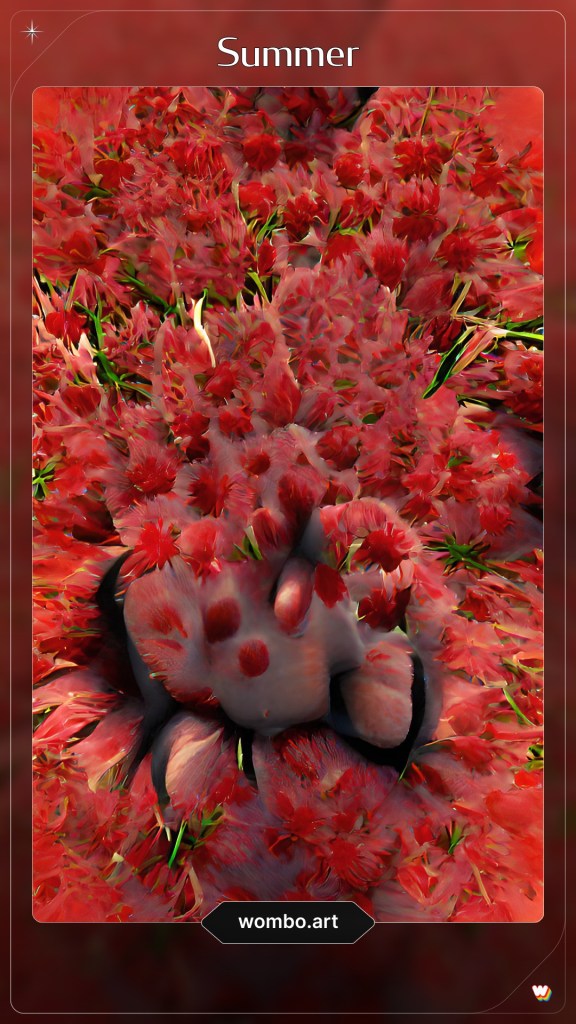
- Summer – The Rabbit Months
- Warm Summer
- Holiday: Rite of Atonement
- Hot Summer
- Holiday: Solomonari
- Warm Summer
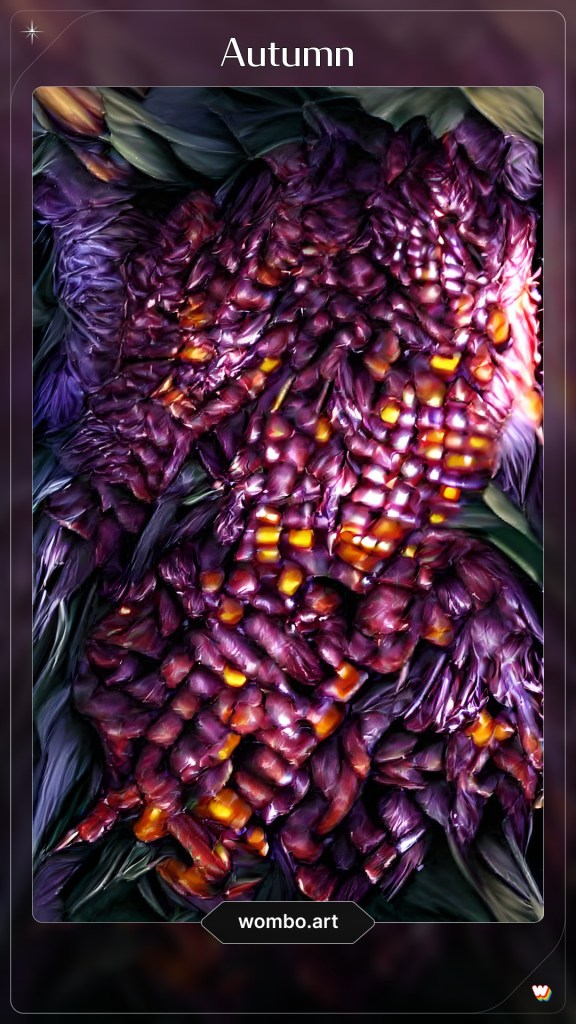
- Autumn- The Wolf Months
- Hot Autumn
- Holiday: Harvest Festival
- Dark Autumn
- Holiday: Day of the Elders of All
- Hot Autumn
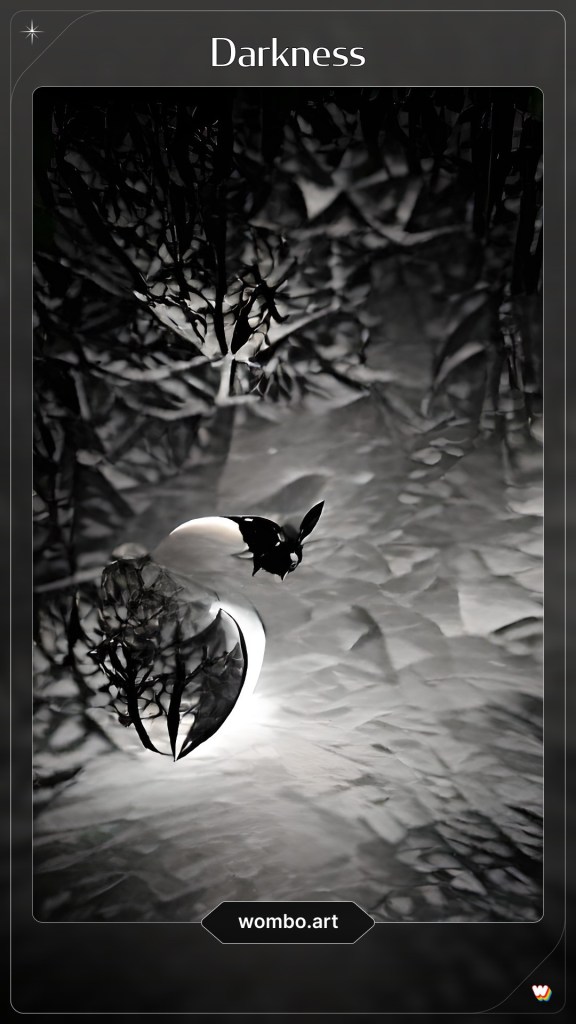
- Darkness – The Moth Months
- Becoming Darkness
- Holiday: The Rite of the Inner Eye
- Holiday: The Founder’s Festival
- Full Darkness
- Holiday: The Rite of Darkness
- Becoming Darkness
 Professor Harbinger's School for Villains